

In 2020, a group of Hindi film lyricists released a song called “Credit De Do Yaar.” It was written by Kausar Munir, Varun Grover and Swanand Kirkire, and the video featured Amitabh Bhattacharya, Neelesh Misra, Anvita Dutt and Abhiruchi Chand. The complaint was simple. In the YouTube description, the writers pointed out that no music platform had an algorithm that displayed lyrics credits prominently.
You can scroll a streaming app right now and confirm it. The singer gets a photo and a profile page. The composer usually gets a line. The person who wrote the words, the ones you have memorised, the ones you sing in the car, is often a small grey line of text below the fold, if they appear at all.
Grover had raised the same issue in a 2018 interview, noting that a music company’s YouTube channel had failed to credit Irshad Kamil for his work. Kamil is not a marginal figure. He wrote Rockstar.
This is a list of people whose lines you already know. Most of their names you probably do not.
1. Amitabh Bhattacharya
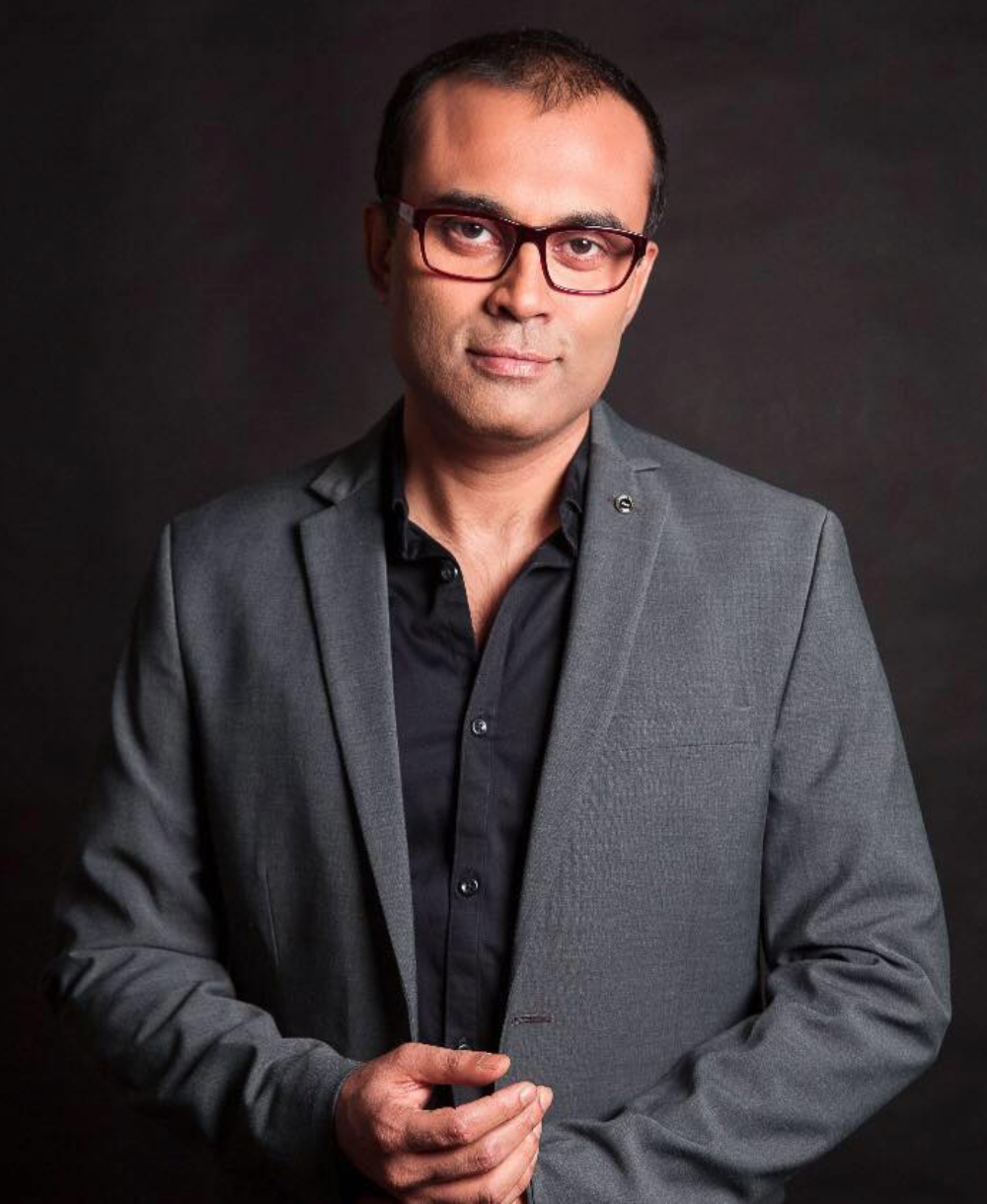
If you have been to an Indian wedding, you have sung his work
Bhattacharya is probably the most commercially dominant Hindi lyricist of the last fifteen years, and most people who can recite his lines could not pick him out of a room.
He wrote “Kabira” and “Balam Pichkari” from Yeh Jawaani Hai Deewani and “Channa Mereya” from Ae Dil Hai Mushkil. He wrote “Zaalima” from Raees, composed by JAM8 and sung by Arijit Singh and Harshdeep Kaur. He also wrote “Kesariya” from Brahmāstra, which won him a Zee Cine Award, and “Dhadak.”
That is a run of songs that shaped what a decade of Indian weddings, road trips and breakups sounded like. He started as a struggling singer before the writing took over, which is a common origin among lyricists and almost never mentioned.
2. Irshad Kamil
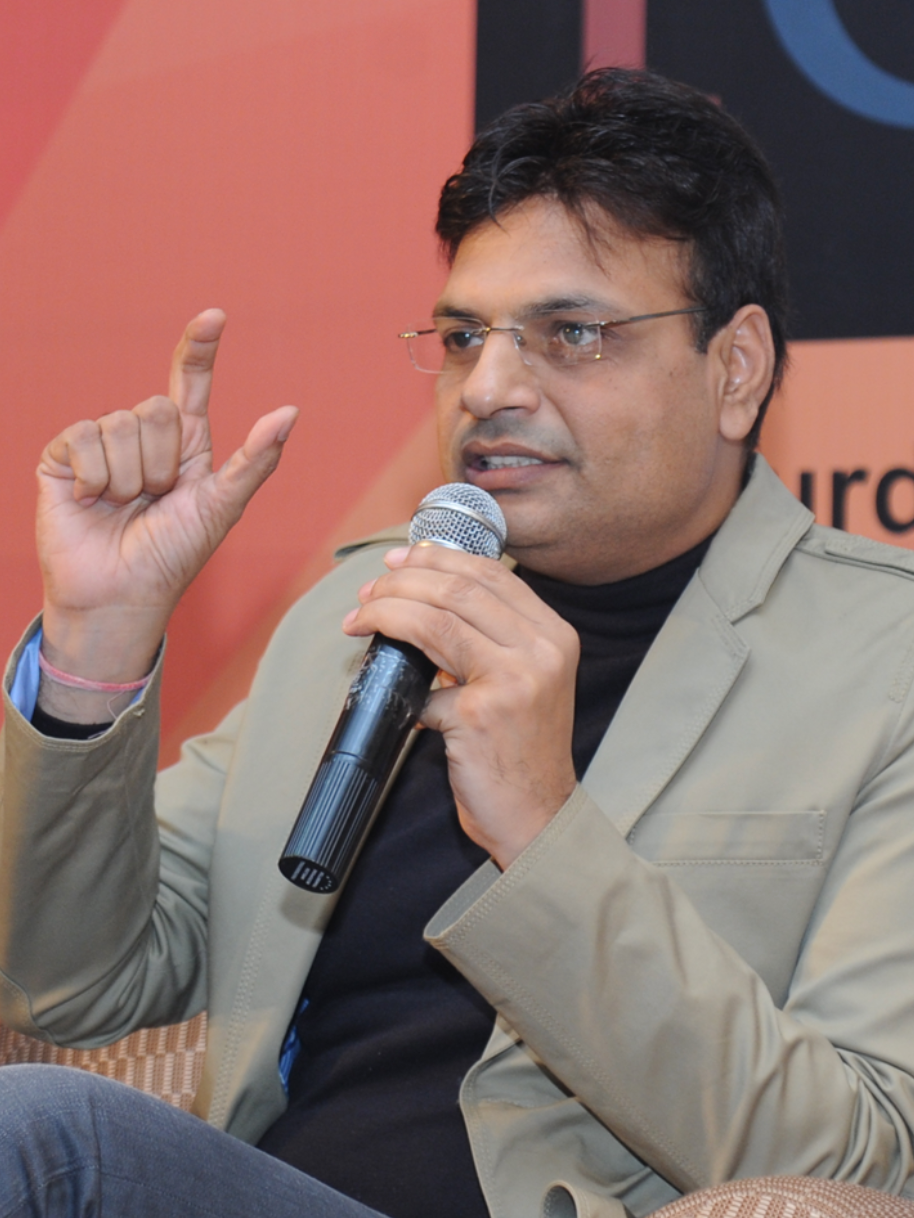
The man who wrote Rockstar, and got left off the credits
Kamil has written songs for Love Aaj Kal, Once Upon a Time in Mumbaai, Rockstar, Aashiqui 2, Raanjhanaa, Highway, Tamasha, Laila Majnu, Kabir Singh and Saiyaara. He has worked with A. R. Rahman, Pritam and Vishal–Shekhar. He was born in Malerkotla, the seventh child in a Punjabi Muslim family.
He holds a doctorate in Hindi literature, which is worth noting in an industry where that background is rare and rarely asked about.
The Rockstar soundtrack alone would be a career. His lines from it are quoted constantly, usually without a name attached, and as Grover pointed out, sometimes without a credit attached either.
3. Kausar Munir
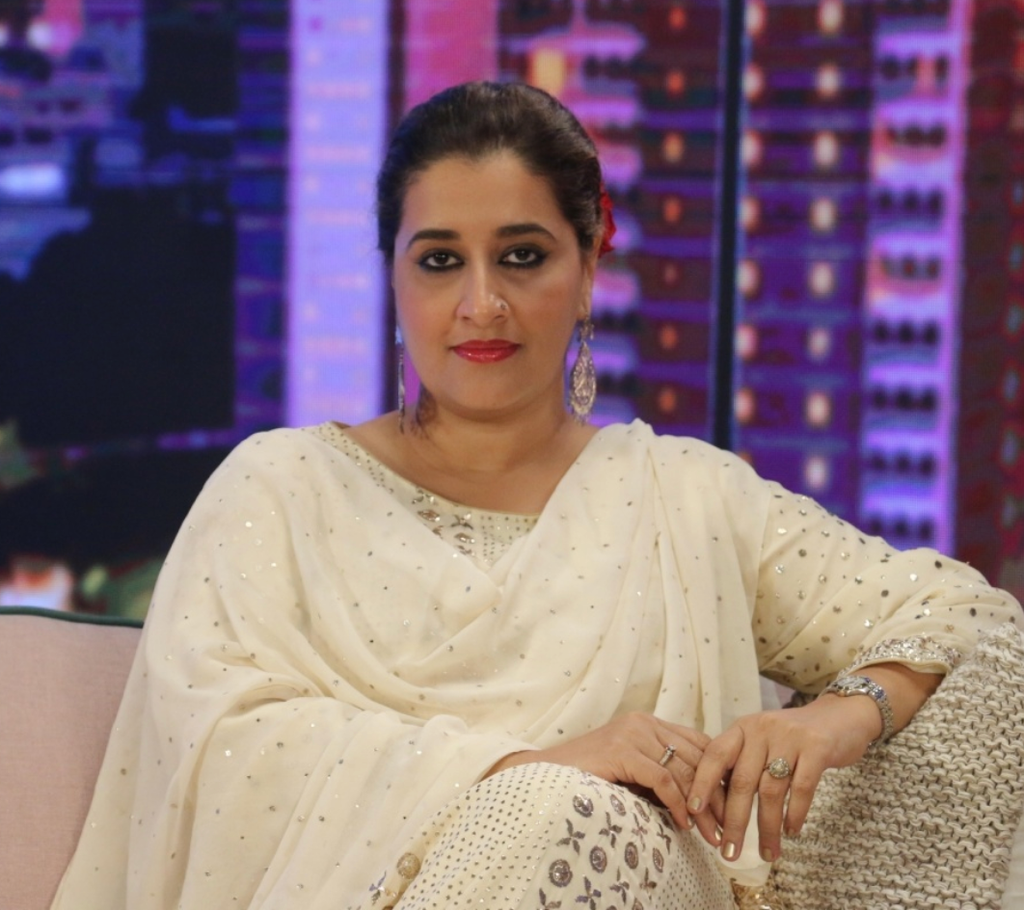
One of very few women writing at this level, and rarely discussed as such
Munir was born and raised in Bandra, Mumbai, and graduated in English Literature from St. Xavier’s College. Her work includes “Love You Zindagi” from Dear Zindagi and “Doobey” from Gehraiyaan. She also worked as a language consultant on English Vinglish and wrote the official anthem for the 2021 ICC Men’s T20 World Cup, with music by Amit Trivedi.
Hindi film lyric writing remains overwhelmingly male. Munir is one of the small number of women with a sustained top-tier career, and the fact that this is not a regular talking point is itself part of the credit problem. When a profession is invisible, its diversity questions are invisible too.
She was also one of the three writers behind “Credit De Do Yaar,” which is worth sitting with. The people best placed to complain are the ones least likely to be heard.
4. Varun Grover
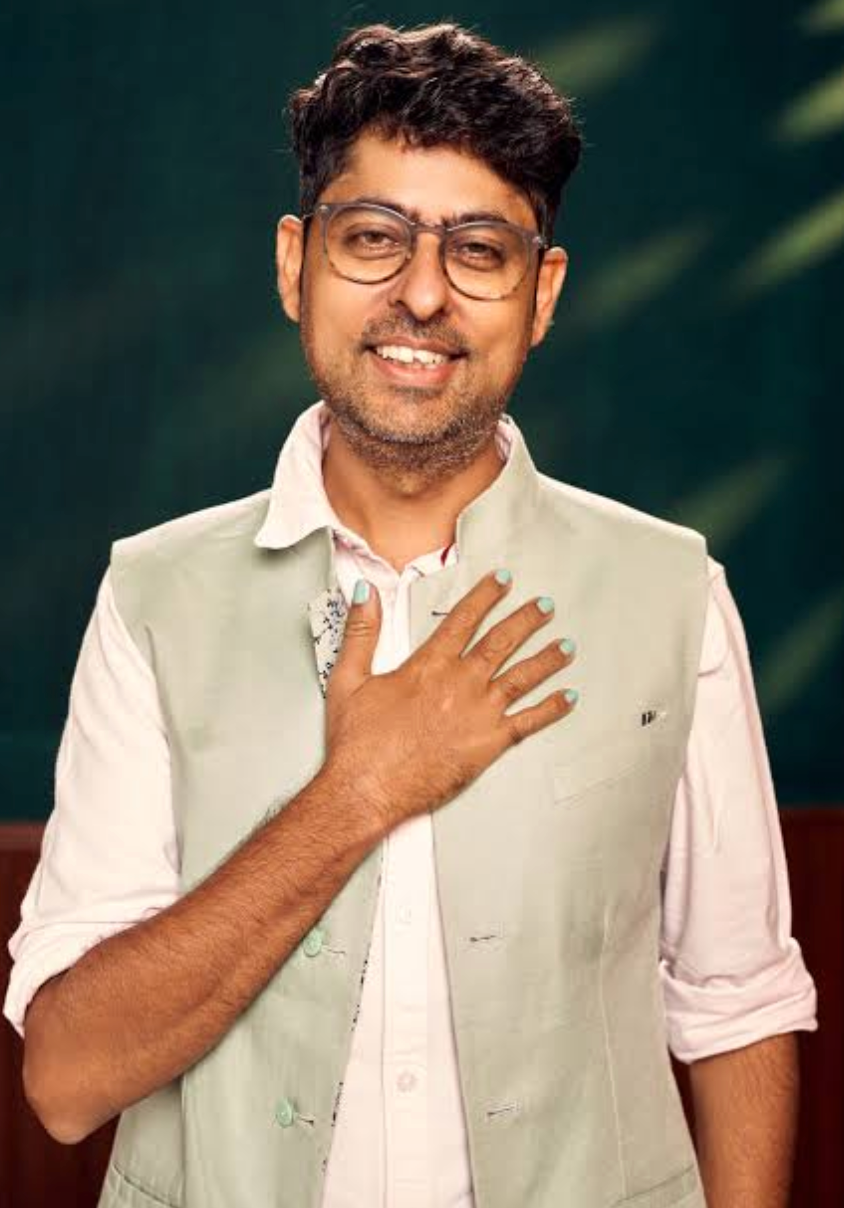
The engineer who writes for Anurag Kashyap and does stand-up on the side
Grover was born in Sundernagar, Himachal Pradesh, in 1980, and studied at IIT (BHU) Varanasi. He is a lyricist, screenwriter, stand-up comedian, actor and filmmaker. He won Best Lyricist at the 63rd National Film Awards in 2015.
That award was for “Moh Moh Ke Dhaage” from Dum Laga Ke Haisha. His other credits include both parts of Gangs of Wasseypur, Masaan, Ankhon Dekhi, Fan and Raman Raghav 2.0.
Grover is the closest thing this profession has to a public figure, largely because stand-up put a face and voice to a name that the music industry never did. That is a slightly damning observation. A National Award for lyrics generated less public recognition than an hour of comedy on YouTube.
5. Swanand Kirkire
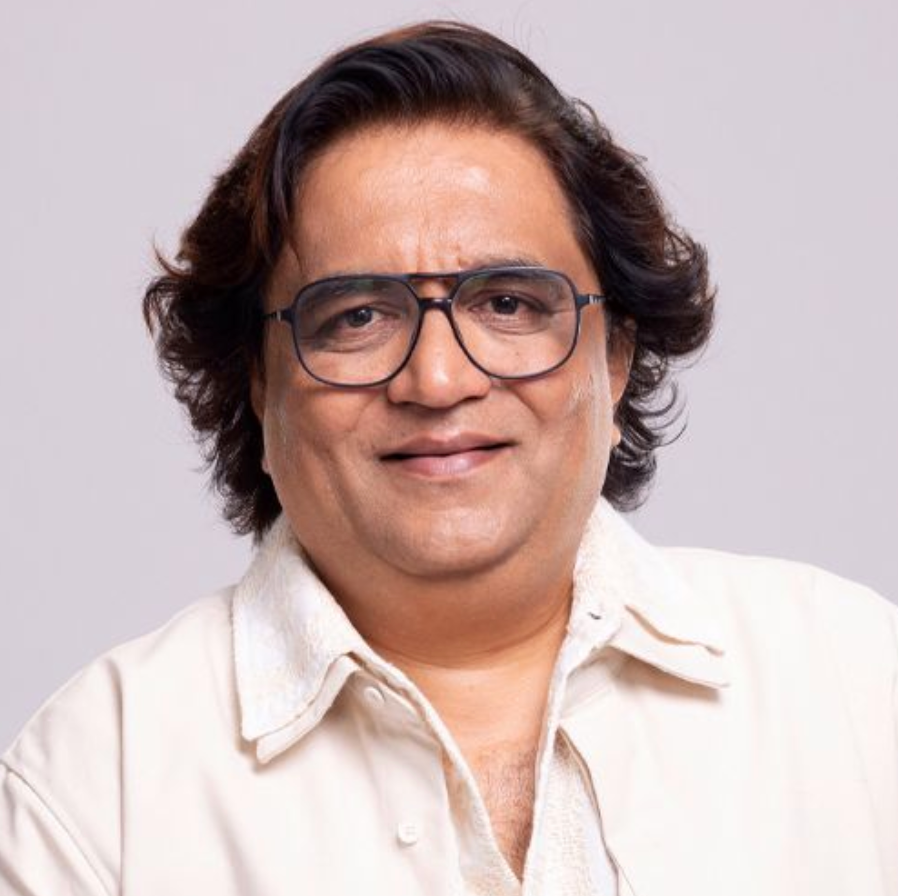
Two National Awards. Most people know him as the guy from Panchayat
Kirkire won the National Film Award for Best Lyrics twice, first for “Bande Me Tha Dum” from Lage Raho Munna Bhai, and again for “Behti Hawa Sa Tha Woh” from 3 Idiots. He was also nominated for a Filmfare for “Piyu Bole” from Parineeta, and in 2018 won the National Film Award for Best Supporting Actor for the Marathi film Chumbak.
He grew up in Indore, in a Marathi-speaking family where both parents were classical singers, though he had no formal training himself. He graduated from the National School of Drama in 1996.
He appeared as Sansad ji in Panchayat 3. For a meaningful share of the audience, that is the credit they know him for. Two National Awards for writing, and public recognition arrived through a supporting role in a web series.
6. Kumaar
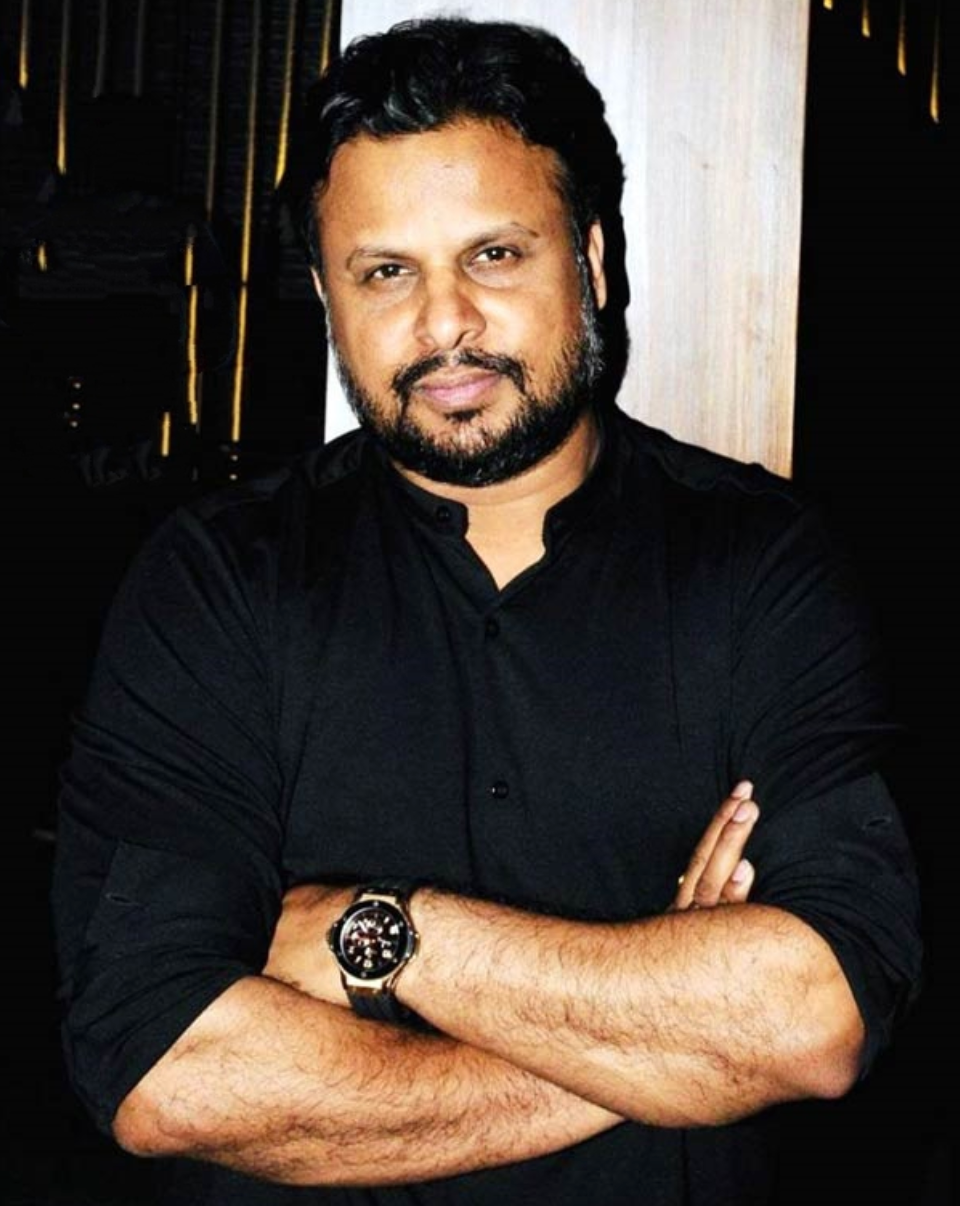
The most-played writer on this list, and the least profiled
Rakesh Kumar Pal, who writes as Kumaar, has written “Baby Doll,” “Chittiyaan Kalaiyaan,” “Sooraj Dooba Hain,” “Desi Look,” “Nachan Farrate,” “Main Hoon Hero Tera” and “Jhoome Jo Pathaan.” He was nominated for a Filmfare for “Sooraj Dooba Hain” from Roy. He is from Jalandhar, Punjab.
Read that list again. Those are not album tracks. Several of them were, for a period, unavoidable, playing in every gym, every wedding, every autorickshaw with a working speaker.
Kumaar occupies an interesting position. His songs are enormously popular and rarely treated as literature, which means he gets neither the mass recognition of a singer nor the critical recognition given to Gulzar or Kamil. His Wikipedia entry, at the time of writing, carries maintenance flags for insufficient sourcing. The most-streamed lyricist in the country and the encyclopedia cannot find enough written about him.
7. A. M. Turaz
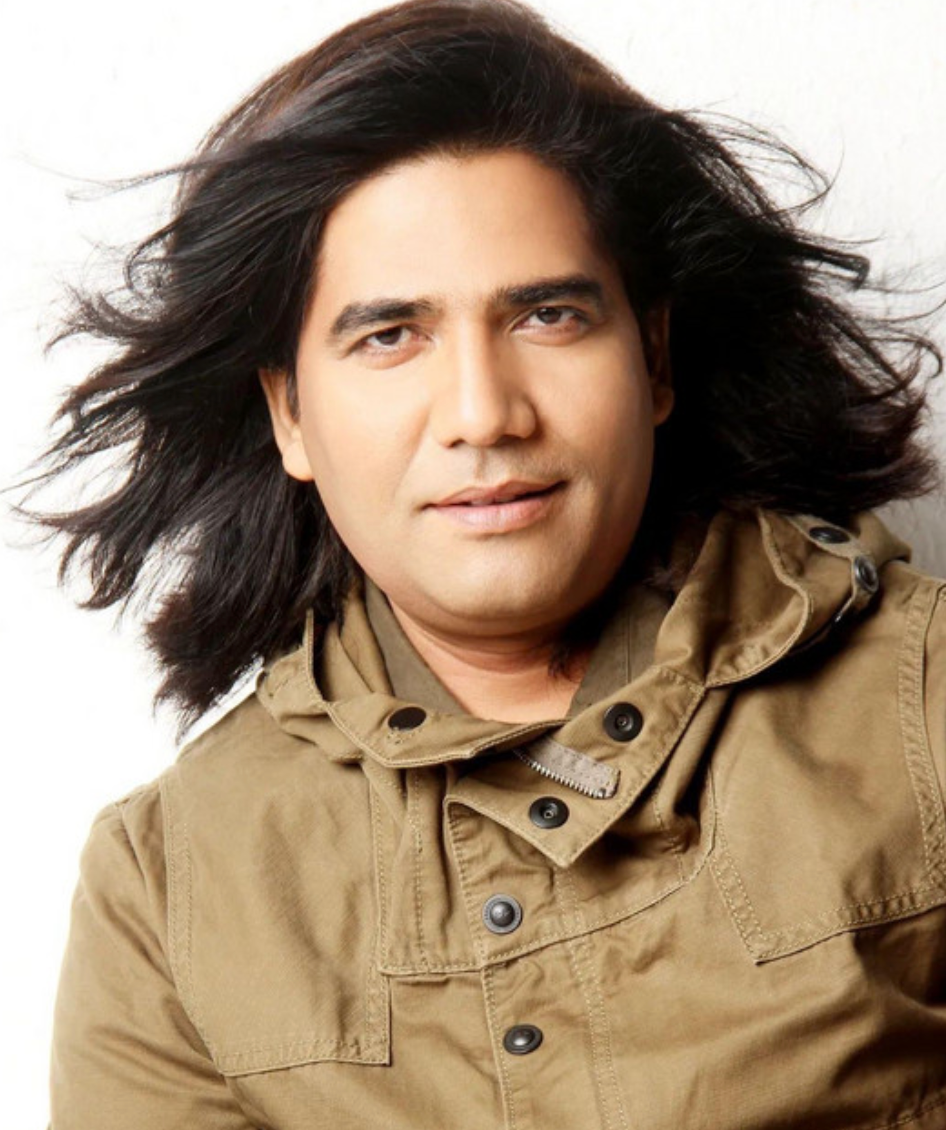
The poet behind Bhansali’s biggest songs
Aas Mohammed Turaz has written lyrics for Guzaarish, and for the songs “Aayat,” “Kabhi Jo Baadal Barse,” “Tera Zikr” and “Udi.” He also wrote “Ghoomar,” “Binte Dil” and “Khalibali” from Padmaavat. He was born in 1974 in Sambhaleheda village, Miranpur, Muzaffarnagar, Uttar Pradesh, and came to Mumbai after finishing his studies. He began by writing for television in 2005, working as an assistant writer on soaps before his first film lyrics assignment in 2006.
“Ghoomar” was one of the most-discussed pieces of music in recent Hindi cinema, attached to one of its most-discussed films. The song was everywhere. The writer was almost nowhere.
He also wrote a song for Chakravyuh that drew legal notices from Birla and Ambani to the producer. Lyricists are invisible right up until the words cause trouble.
8. Abhiraj Gupta
Everyone above works in film. Film has its own credit problem, but it at least has a structure: award categories, a screen credit, a Wikipedia page.
Non-film music has less than that. The independent single is now a major format for Indian labels, and the writing credit on those releases is typically a line in a YouTube description that scrolls past before anyone reads it.
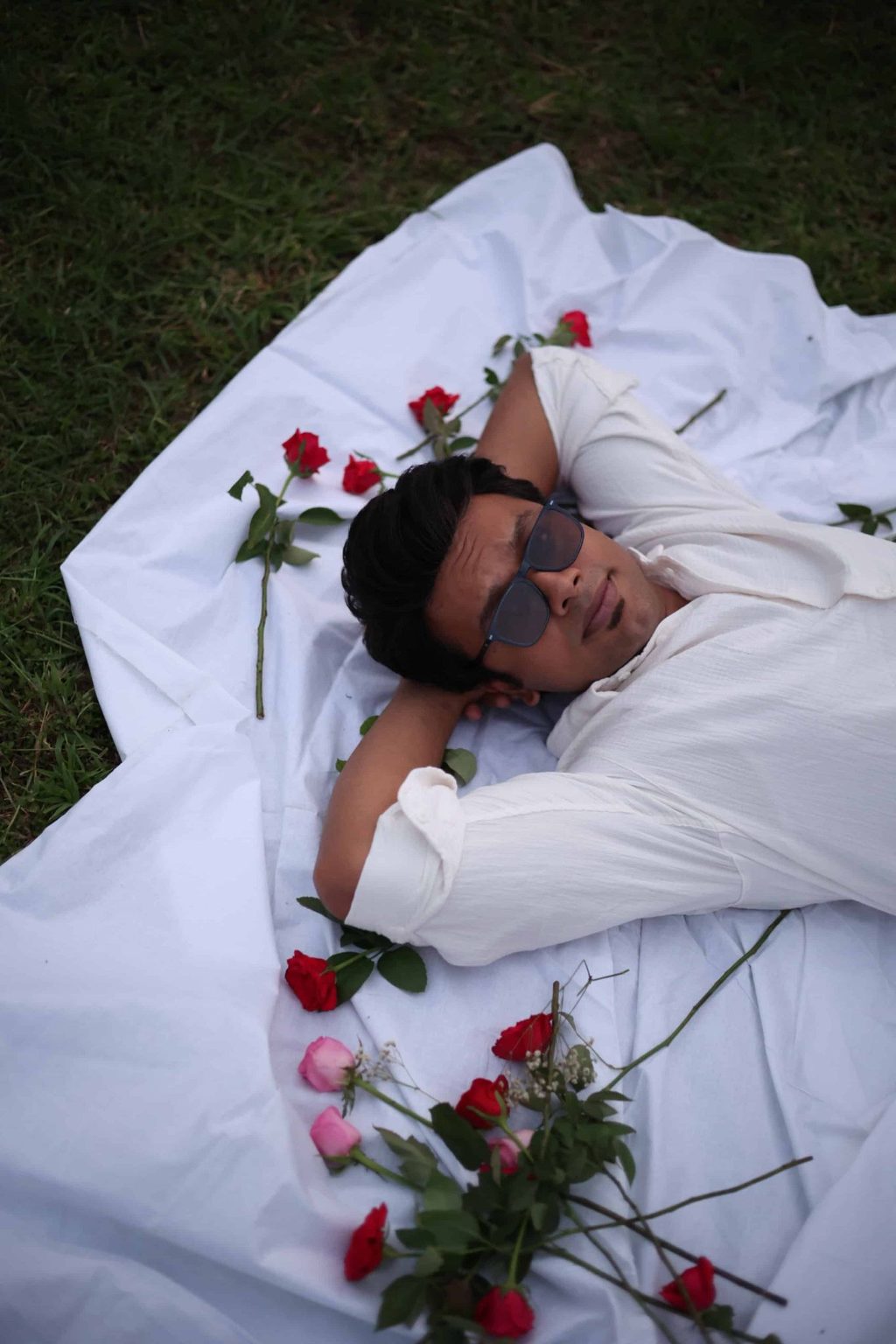
Gupta is from Banda, a district in Uttar Pradesh, and went to a Hindi medium school. He dropped out took a civil engineering degree in Lucknow and left for Mumbai the day after it finished, enrolling at Kishore Namit Kapoor’s acting institute. Eighteen months of auditions produced a crowd role in a Netflix series that paid a thousand rupees. He went home to Uttar Pradesh and built an import export business, which he still runs, and kept writing.
He wrote the lyrics and shares the composing credit on Aao Chalo, released by Times Music in November 2019, sung by Soham Naik with music by Shivang Mathur. In April 2025 Zee Music Company released Sukoon Hai, which he wrote and composed, sung by Shivang Mathur.
Both are on major labels. Neither carries a writer anyone would recognise by name, which is the entire subject of this article playing out in real time.
Aao Chalo · Sukoon Hai · Apple Music
Why this keeps happening
Three things compound, and none of them is anyone’s deliberate decision.
The interface decides the credit. A streaming app has limited screen real estate and has to choose what to show. Artist name and track title fit. Composer sometimes fits. Lyricist almost never does. That is a design choice, made once, that has quietly restructured who gets known in Indian music.
The singer has a face. A lyricist’s product is a text. A singer’s product is a voice and a body attached to it, and the promotional machinery, videos, interviews, live performance, is built around bodies. A song can be a hit for a decade while its writer never appears in a single piece of coverage about it.
Non-film has almost no infrastructure. Film music at least has award categories that produce a public record. Independent singles largely do not. As labels shift more of their output toward non-film releases, a growing share of Indian songwriting is being recorded in a format that has no established habit of naming the writer.
The “Credit De Do Yaar” campaign did not fix this. It was not going to. But it did put the problem on record, made by the people it affects, which is more than most invisible professions manage.
What you can actually do
If you want to know who wrote something, the information usually exists. It is just never in front of you.
The YouTube description on an official label upload almost always lists the full credits, including the lyricist, below the subscribe link. Wikipedia song pages carry the writer. The Indian Performing Right Society maintains the formal record. On most streaming apps the credit is there, buried in a submenu.
None of this is difficult. It just requires deciding the writer matters, which is the part the interface is quietly discouraging.
The next time a line lands, look it up. Somebody wrote that.

